When to Test for Radon: Protecting Your Home and Health
Estimated reading time: 5 minutes
Key Takeaways
- Understanding when to test for radon is crucial for home safety and family health.
- Radon is a radioactive gas that can cause lung cancer and is undetectable without testing.
- Testing should be done during real estate transactions, after renovations, or every two years.
- Testing is best done in colder months when radon levels may be higher.
- All homes, regardless of age, type, or location, should be tested for radon.
- Prompt testing and mitigation can protect against the health risks of radon exposure.
Table of Contents
Introduction
Ensuring the safety of your home goes beyond locks and alarms; it includes invisible threats like radon gas. Understanding when to test for radon is crucial for protecting your family’s health. Radon is a naturally occurring radioactive gas that can seep into homes through cracks or gaps in foundations, posing serious health risks. Long-term exposure to elevated levels of radon significantly increases the risk of developing lung cancer, making radon the second leading cause of lung cancer after smoking, with an estimated 21,000 radon-related lung cancer deaths in the U.S. each year.
Section 1: Understanding Radon and Its Risks
Radon is a byproduct of uranium decay found in soil and rocks, moving up through the ground and into homes through cracks and other openings. This invisible gas can damage lung tissue when inhaled, with children being more susceptible due to higher respiration rates. It’s crucial to be aware that radon is undetectable without testing. The EPA recommends that all homes be tested for radon, regardless of geographic location or home age.
Section 2: When to Test for Radon
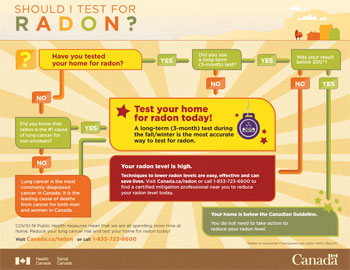
When to test for radon can vary but best practices include testing during real estate transactions, after renovations, or periodically every two years. The best time to test for radon is during colder months when homes are sealed, and radon levels may be higher. It’s important to test after major weather events that could impact a home’s foundation.
Section 3: Should I Test for Radon When Buying a Home?
Radon testing is a crucial step in the home inspection process, protecting both the buyer’s health and financial investment. High radon levels can affect property value, and it’s recommended to include radon testing in home inspections and to request previous test results.
Section 4: Best Time of Year for Radon Testing
Radon levels can vary seasonally, with colder months typically showing higher concentrations. Testing during the late fall to early spring, when homes are sealed, provides more accurate results. While winter is ideal, testing should be done at any time if needed.
Section 5: Do All Homes Need Radon Testing?
All homes should be tested for radon as the gas does not discriminate by location, home type, or age. Elevated levels have been found in all states, and even new homes with radon-resistant construction should be tested.
Section 6: Radon Testing FAQs
Common questions about radon testing are addressed, including methods for testing, testing frequency, mitigation strategies, and costs associated with testing and mitigation. If high levels are detected, mitigation strategies should be implemented with professional guidance.
Conclusion
Knowing when to test for radon is essential for all homes to protect against the serious health risks of radon exposure. Prompt testing and potential mitigation can ensure your home is a safe living environment. Take action today to safeguard your family’s health.
Remember, radon testing is a simple but crucial step in maintaining a healthy home. Utilize the provided official resources for ongoing education and action. Stay informed and take proactive steps to protect your loved ones from the dangers of radon exposure.